Welcome to the future of home lighting! Smart lighting systems are no longer a luxury; they’ve become a staple in modern homes, offering unparalleled convenience, energy efficiency, and aesthetic appeal. Whether you’re looking to enhance your living space, streamline your daily routine, or simply impress your guests, a smart lighting setup is the perfect solution. In this article, we’ll dive into everything you need to know about creating a smart lighting setup, from the basics to advanced configurations. Let’s illuminate the possibilities together!
What is a Smart Lighting Setup?
At its core, a smart lighting setup refers to a system of interconnected lighting devices that can be controlled remotely via a smartphone app, voice commands, or even scheduled automatically. These systems typically use Wi-Fi or Bluetooth connectivity to link bulbs, switches, and other components, allowing users to adjust brightness, color, and timing with ease. Unlike traditional lighting, smart lighting offers a level of customization and automation that can completely transform how you interact with your home environment.
Smart lighting setups often include:
- Smart LED bulbs
- Wireless switches and dimmers
- Lighting hubs or bridges
- Smart home assistants (e.g., Amazon Alexa, Google Nest)
- Mobile apps for control
These components work together to create a seamless and intelligent lighting experience. Whether you’re aiming to set the mood for a romantic dinner, ensure your home looks occupied while you’re away, or simply turn off the lights without getting out of bed, smart lighting has you covered.
Benefits of a Smart Lighting Setup
1. Energy Efficiency
One of the most compelling reasons to invest in a smart lighting setup is energy efficiency. Smart bulbs are designed to consume significantly less power than traditional incandescent bulbs, and they can be programmed to turn off automatically when not in use. This not only reduces your electricity bill but also helps the environment by lowering energy consumption. According to studies, smart lighting can save up to 80% on lighting-related energy costs over time.
2. Customization and Mood Lighting
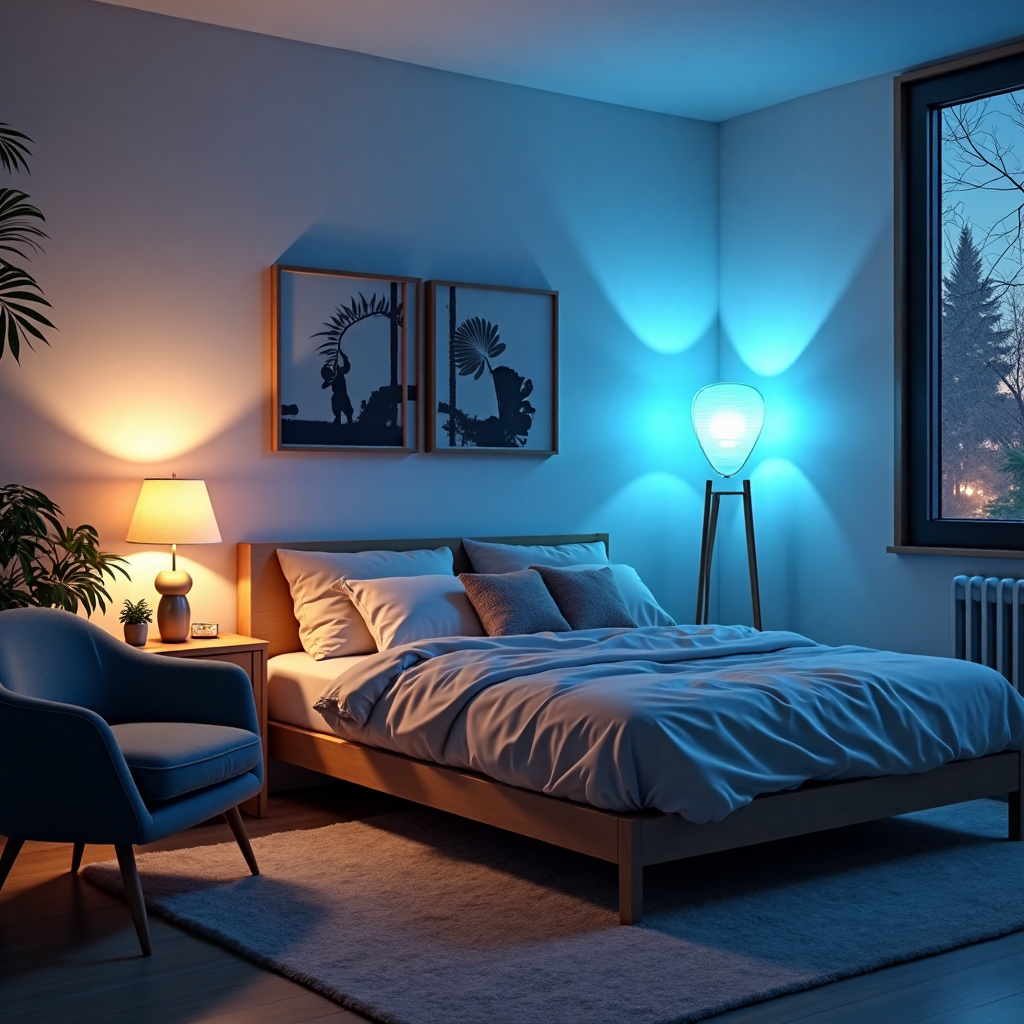
Smart lighting systems, especially those with color-changing capabilities, allow you to set the perfect mood for any occasion. Imagine transitioning from a warm, golden glow for a cozy evening to vibrant colors for a party, all with the touch of a button. Many smart bulbs support a wide range of color temperatures and hues, giving you the flexibility to create the atmosphere you desire. This level of customization is particularly useful in entertainment areas, bedrooms, and living rooms, where lighting plays a crucial role in ambiance.
3. Integration with Smart Home Systems
Smart lighting is just one piece of the puzzle in a broader smart home ecosystem. By integrating your lighting setup with other smart devices like thermostats, security cameras, and speakers, you can create a fully automated home experience. For instance, you can program your lights to turn on when you unlock the door with your smart lock, or set them to dim when your smart thermostat lowers the temperature. This interconnectedness not only enhances convenience but also adds a layer of security, as lights can be scheduled to turn on and off even when you’re away from home, deterring potential intruders.
How to Create a Smart Lighting Setup
1. Choose the Right Smart Bulbs
The foundation of any smart lighting setup is the bulbs themselves. There are several popular brands to choose from, including Philips Hue, LIFX, and TP-Link Kasa. Each brand offers different features, so it’s essential to decide what you need before making a purchase. For example:
- Philips Hue: Known for its dimmable, color-changing bulbs and robust app integration.
- LIFX: Offers bulbs with superior color accuracy and a wide range of hues.
- TP-Link Kasa: Provides budget-friendly options with reliable performance and voice control compatibility.
Consider the type of fixtures you have in your home and ensure that the bulbs you choose are compatible with them. Most smart bulbs are designed to fit standard light sockets, but it’s always a good idea to double-check.
2. Install a Lighting Hub
While some smart bulbs can be controlled directly via Wi-Fi, many systems require a hub or bridge to function optimally. Hubs act as a central controller, connecting all your smart bulbs and devices to your home network. They also enable advanced features like scene creation and scheduling. For example:
- Philips Hue Bridge: A must-have for Hue users, enabling full control over your lighting system.
- Smart Lighting Controllers: Devices like the Lutron Caseta or Wemo Insight Switch allow you to integrate smart bulbs with traditional lighting fixtures.
Installing a hub is typically a straightforward process, involving a few simple steps like connecting it to your router and pairing it with your bulbs. Once set up, you’ll have a single point of control for your entire lighting system.
3. Configure Your System
After installing your bulbs and hub, it’s time to configure your smart lighting setup. Most systems come with a companion app that allows you to:
- Discover and pair all your smart bulbs and devices.
- Create customized scenes and schedules.
- Set up voice controls through Amazon Alexa, Google Nest, or Apple HomeKit.
- Monitor and adjust energy usage in real-time.
Take some time to experiment with different settings and features. For instance, you can create a “Goodnight” scene that dims the lights gradually and turns them off after a set period, helping you wind down for sleep. Or set up a “Welcome Home” scene that turns on specific lights as you approach your house, enhancing security and convenience.
Conclusion
A smart lighting setup is more than just a modern convenience—it’s a gateway to a more efficient, customized, and secure home environment. By choosing the right bulbs, installing a hub, and configuring your system, you can enjoy the benefits of smart lighting for years to come. Whether you’re aiming to save energy, set the perfect mood, or integrate with your existing smart home devices, the possibilities are endless. So why wait? Start your journey toward smarter lighting today and watch as your home comes to life in ways you never imagined!